

Recently, during a conversation with the 101 Part Time Jobs podcast for Independent Venue Week, I reflected on the sheer number of gigs I had attended over the years and how central gig-going has been to my identity. While much of this discussion was cut from the final edit, it left me thinking deeply about my relationship with live music spaces and the role they have played in my career and personal life.
Over the last 12 years, I have easily attended over 100 shows—mostly in a professional capacity as a music publicist working with independent labels, agencies, and as a freelance PR specialist and writer. At one point, I was going to independent venues across London multiple times a week, becoming embedded in the city’s music community. Finding space in these venues felt like a privilege, a dream turned reality from my younger years when I fantasised about the gig-going lifestyle—sweaty walls, sticky floors, and all.

I had my first taste of this in Sheffield, seeing Lianne La Havas and Warpaint at the legendary Leadmill. Sheffield wasn’t typically a stop on major touring circuits, and I never made it to Manchester or Leeds for gigs. But once I moved to London in 2013, gig-going became second nature—a core part of my existence in the city.
For most of these shows, I was one of only a handful—if that—of Black people in the room. It could be isolating, but I learned to take it in my stride. As I mentioned in a previous blog, I never cowered in the face of marginalisation or internalised the unspoken messages that I didn’t belong. Every gig I attended became an act of defiance against the assumptions of those who saw me as an outsider—whether that was being mistaken for a member of support staff rather than the publicist behind the musician on stage. I also made it a point to be present for other Black gig-goers who might have felt similarly, paying it forward in the way I once wished for representation myself.
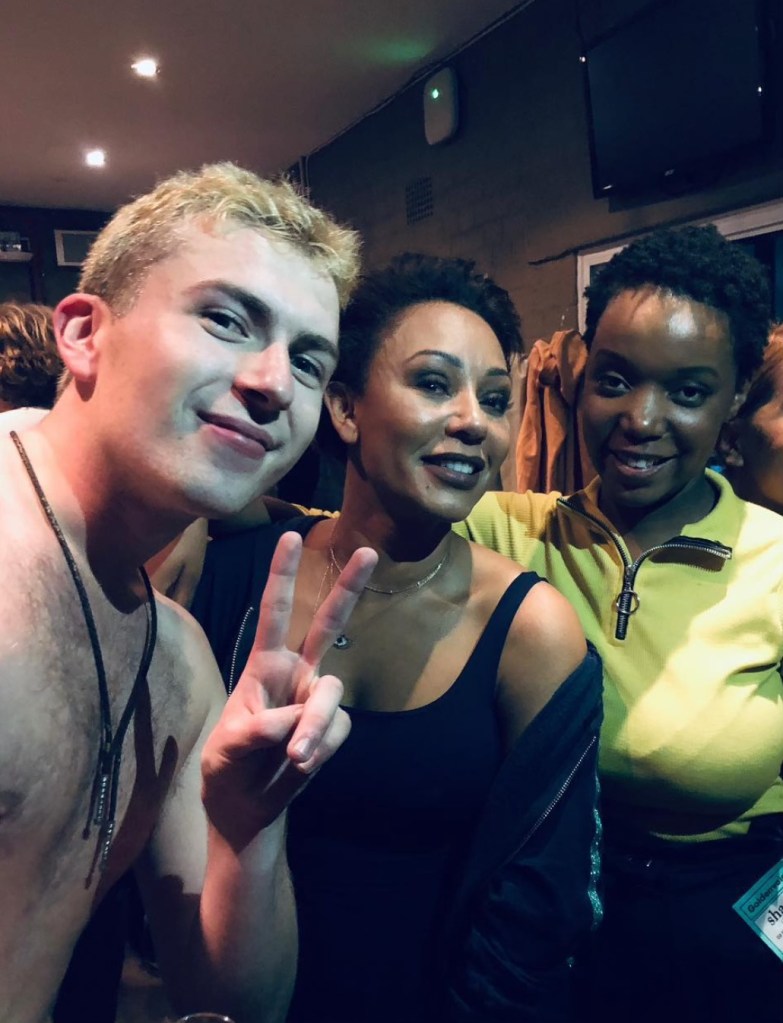
One of my favourite memories was working with the South London band shame. Through a relative, one of the band members had a connection with Mel B, who attended their show at Kentish Town Forum. A Black music journalist friend and I were backstage with the band when she arrived. Seeing us, she exclaimed something along the lines of, “It’s so great to see Black people in this space!” Having one of the biggest pop stars of the 90s validate our presence in that environment was surreal and unforgettable.
As my career progressed, independent labels made a concerted effort to diversify their rosters. Whether this shift was a temporary industry reaction or an embedded commitment to genuine representation is up for debate. What I do know is that gig audiences started to reflect the changing line-ups. Seeing more young Asian fans at Mitski and Japanese Breakfast shows or more Black attendees at Moses Sumney, Lonnie Holley, or Yves Tumor gigs affirmed the importance of representation. It created a shift—venues that may have once seemed unwelcoming began to feel more inclusive, emboldening a new generation of fans to engage with live music in spaces that previously felt inaccessible.
In a recent conversation with Sybil Bell, CEO of Independent Venue Week and Independent Venue Community, I reflected on these themes again. These organisations have done incredible work in platforming independent venues and fostering a sense of belonging in local music spaces. Our discussion reinforced my belief that these venues should not only be cultural hubs for live music but also spaces where people from all backgrounds feel welcome and represented.
One of my first commissions for The Guardian “Why I Belong as a Black Woman in the White World of Indie“ was about this very topic. It was something I had been banging on about for ages, right back to almost 10 years ago when I first wrote for them. I was responding to an essay written by Solange, in which she described the racist abuse she, her son, and her then-husband suffered at a Kraftwerk show. She detailed the microaggressions and hostility that made her feel unwelcome in a space that Black people had, in many ways, helped to build. As she wrote:
“Many times the tone just simply says, ‘I do not feel you belong here.’”
“Imagine telling your son and his friend about a band you love, one that played a pivotal role in the history of hip-hop. You arrive at the venue, excited to dance, only to be met with hostility, condescension, and ultimately (literal) violence.”
Solange’s experience was deeply resonant with me. Techno and electronic music, pioneered by Black artists in Detroit, have long been spaces where Blackness has been erased or diminished in the mainstream narrative. As she put it:
“We belong. We belong. We belong. We built this.”
Her words reinforced what I had been feeling for years in independent and alternative music spaces. When I wrote about it for The Guardian, I wanted to highlight that, like Solange, I refused to let others dictate where I belonged. Whether in press pits, backstage areas, or in the audience, I would continue to show up, take up space, and celebrate the contributions of Black people to these musical movements.
Recently, I explored similar themes in an interview with the founders of Black At Glasto for my Substack, black badical. We discussed the importance of Black representation in festival spaces, the origins of their initiative, and how their work is helping shift perceptions of what festivals like Glastonbury can and should be. Their commitment to fostering a sense of community within predominantly white spaces echoes my own experiences in live music venues and underscored the continued need for visibility, access, and inclusion in all areas of the music industry.
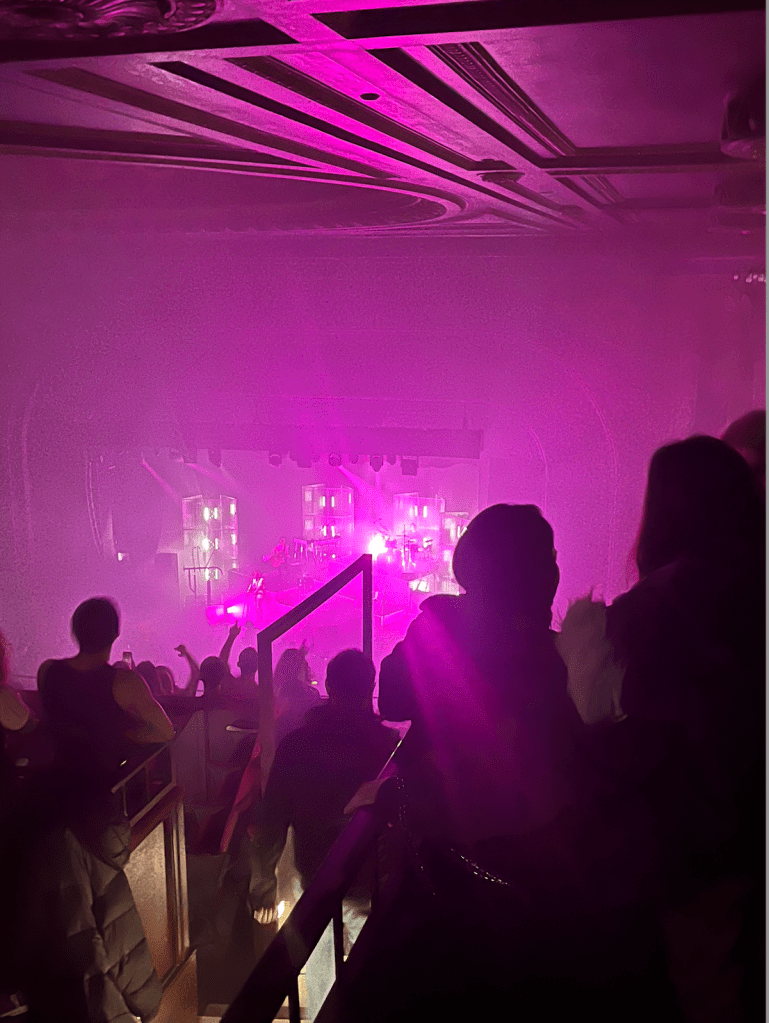
on the right, a very bad photo of the best gig…yves tumor at Kentish Town forum
These conversations and reflections have reinforced one simple truth: representation matters at every level. Whether it’s the artists on stage, the audience, the venue staff, or the media covering these events, diverse voices and experiences make cultural spaces richer and more dynamic. As we push for more inclusion, we must continue advocating for these spaces to be welcoming for all.
To explore these themes further, I spoke with Sybil Bell, CEO of Independent Venue Week and Independent Venue Community. Below is our conversation about the importance of independent venues, fostering community, and the ongoing work to make live music spaces more inclusive.
Interview with Sybil Bell, Founder, Independent Venue Week.
Michelle Kambasha: Sounds like you’ve had a busy, busy week.
Sybil Bell: It’s always a very busy week, but it’s always really good fun as well. The highlight is travelling around the country, visiting places I’ve never been to before, meeting people, and seeing what goes on locally. It’s fantastic.
MK: It’s such important work, knowing the demand is high, yet these venues are still struggling. Would you say it’s crucial to spotlight and demonstrate that there is still a demand for live spaces and communities?
SB: Yes, and we try to stay away from the closures and the negativity. Not because we don’t care, but because we care a lot. Since closures are talked about year-round, it feels important to have a week where we just celebrate how great these spaces are. Frank Turner, when he was ambassador in year two, thanked me for making the focus about the positives. That’s the best way to get people behind something—remind them what a great night out is.
MK: That’s really interesting. In my work teaching Diversity in Creative Industries at BIMM, I’ve found that topics like diversity are often framed in a way that highlights what hasn’t happened. I have to adjust the way I speak when talking to young people who are still eager to enter the industry. Would you say that finding a more positive way to frame these conversations is important?
SB: Absolutely. Some people and organisations benefit from focusing on the negative because it keeps their story alive. But as a human being, I’m drawn to what’s exciting and inspiring. That’s where I want to invest my time, money, and energy. The industry doesn’t owe us a living—we have to find and create communities ourselves. If we can’t find them, we have to build them.
MK: So, having a proactive attitude and encouraging people to create their own communities is key. How much do you think that willingness still exists among the next generation?
SB: I think it’s understated. People of all ages, backgrounds, and identities come to these spaces because they’re cultural hubs. They allow creative people to express themselves, make mistakes, and learn—on and off stage. Since lockdown, people have become comfortable staying in, but I believe we thrive in human environments. These venues are vital for that.
MK: I’ve noticed more bands and artists encouraging gig-goers to connect on social media if they don’t have someone to go with. That fosters a digital sense of community that translates to real-life interactions at venues. Do you think that’s an important trend?
SB: Absolutely. I always champion in-person connections, but digital tools have their place for discovery, learning, and accessibility. There’s also a great scheme called Gig Buddies, which pairs people who may struggle with anxiety or additional needs with a buddy for a gig night. That’s an example of digital spaces enhancing real-world experiences.
MK: In my 12 years in the industry, I’ve often been the only Black woman in independent and alternative music spaces. Over time, I’ve noticed more efforts to platform underrepresented artists, which in turn diversifies gig audiences. Have you seen similar shifts?
SB: Yes, but there’s still a gap. Riz MC once said it shouldn’t be called diversity, but representation, and that resonated with me. There are very few venue operators, owners, and promoters of colour. Our independent venue community initiative aims to reach underrepresented groups and ask how we can support them in breaking down barriers.
MK: Some organisations say they welcome underrepresented groups but don’t actively reach out. Do you think there needs to be more direct engagement rather than just transactional efforts?
SB: Definitely. It’s not enough to just say, “we welcome diverse applicants.” We need better dialogue to understand barriers. Small Green Shoots is a great organisation doing this well. However, with funding cuts, the opportunities to employ people in meaningful roles are shrinking. We have to find ways to keep these opportunities open.
MK: Before you go, how can people foster community engagement? And how does Independent Venue Week maintain a progressive ethos regarding inclusion?
SB: Independent Venue Week is a platform—we don’t control programming. However, Independent Venue Community is all about outreach and support. We focus on underserved groups, from young people to LGBTQI+ communities, mental health support, and more. My advice to those looking to foster community: if you can’t find it, create it. Speak to local venues about what they offer, or start something yourself.

Leave a comment